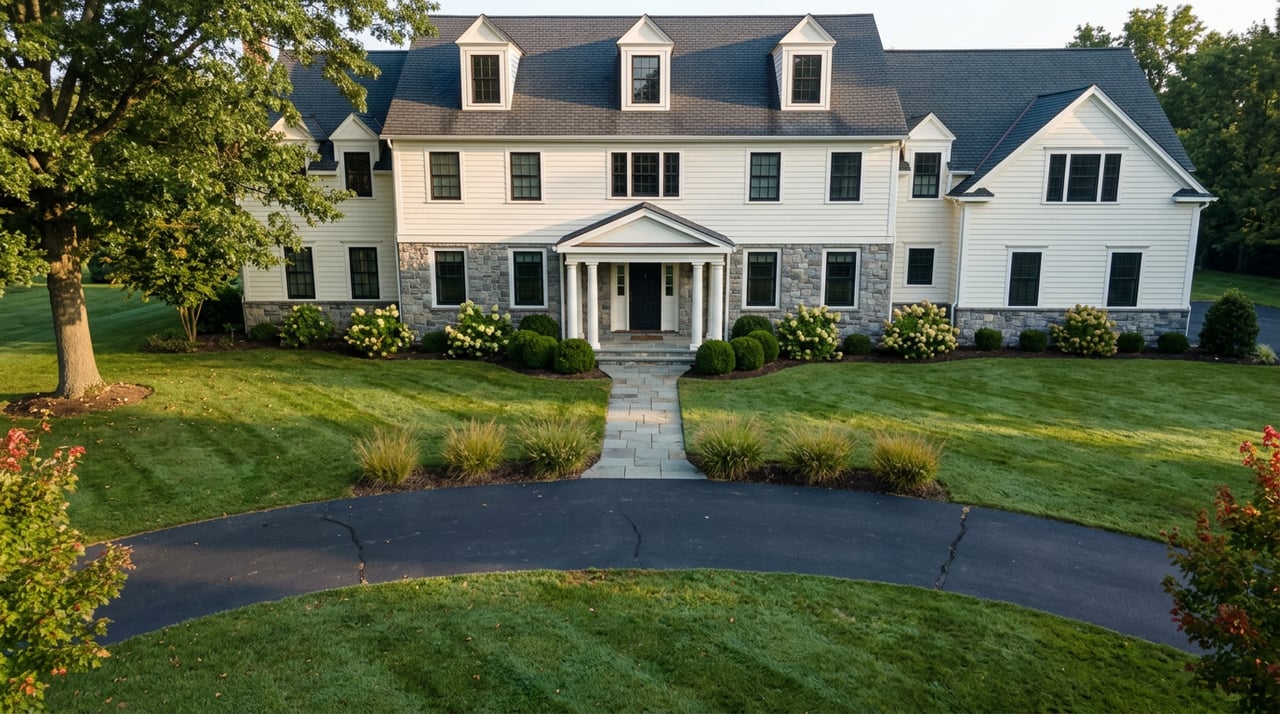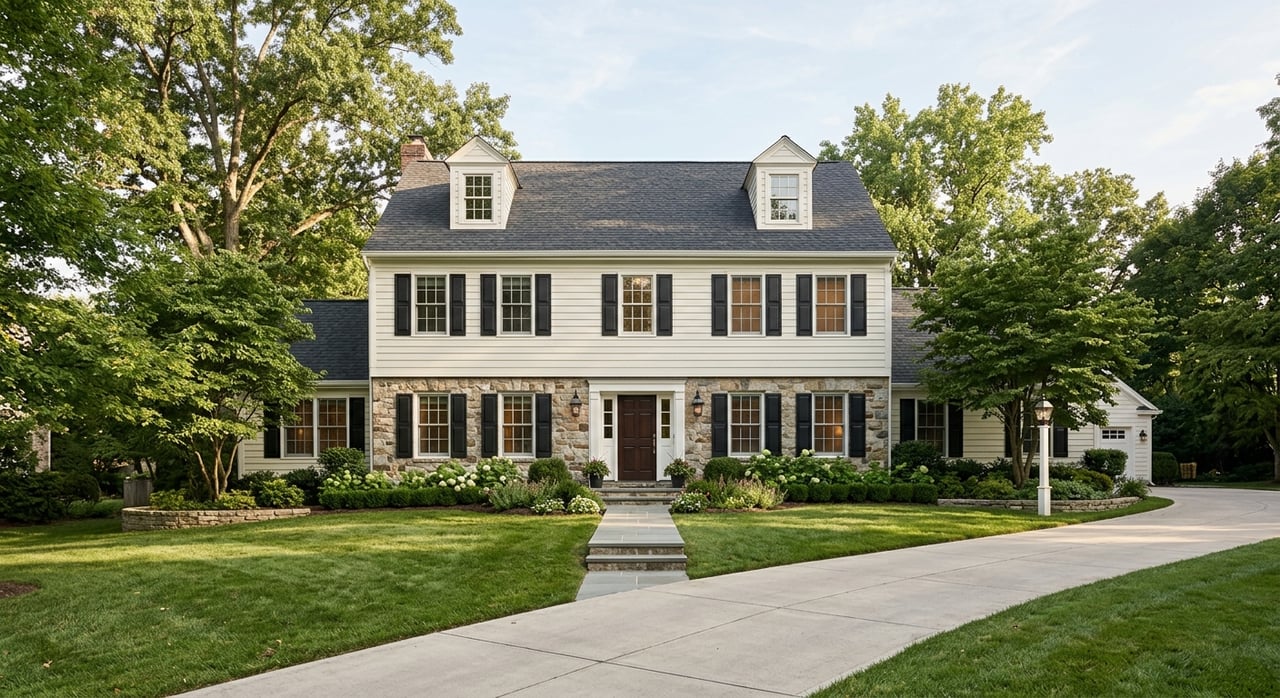
Selling a home in Delaware County can move faster than many sellers expect, but that does not mean the process is simple. You want to price your home well, prepare it thoughtfully, and avoid surprises once offers start coming in. The good news is that when you understand what buyers are watching and what paperwork matters, you can make smarter decisions from day one. Let’s dive in.
Delaware County market today
Delaware County remains active, but it is not a market where every listing automatically sparks a bidding war. In February 2026, Redfin reported a median sale price of $327,000, 48 median days on market, and 320 homes sold. Other platforms showed somewhat different numbers, but the broader pattern is the same: homes are selling, and pricing and presentation matter.
That difference in data is important because countywide averages only tell part of the story. Zillow’s Delaware County data showed 961 homes for sale and 424 new listings as of March 31, 2026, while also showing wide value differences from one municipality to another. In practical terms, your home should be priced against nearby municipal comps, not just broad county averages.
Sale-to-list ratios also suggest a more balanced reality. Redfin’s market report showed a 98.5% sale-to-list ratio, while Realtor.com data summarized in the research placed the average at 100%. That tells you buyers are still paying close to asking price, but overpricing can lead to more time on market instead of better offers.
Pricing strategy matters more now
If you are selling in Delaware County, one of the biggest mistakes is assuming the market will correct an overly ambitious price. With buyers generally landing near list price rather than far above it, the first price you choose carries real weight. A strong launch can create momentum, while a price cut later can weaken it.
This is especially true in a county with 49 municipalities. A home in Media, Swarthmore, Brookhaven, Ridley Park, or Morton may attract a different buyer pool and sit in a different pricing band. That is why a local pricing strategy should focus on nearby comparable sales, current competition, and how your home shows against similar options.
Prepare for condition questions
Delaware County has a large share of older housing, and that shapes what buyers notice. According to the Delaware County community assessment, 22.3% of homes were built in 1939 or earlier, 58.4% were built before 1960, and 71.3% were built before 1970. In an older housing market, buyers often pay close attention to systems, maintenance history, moisture issues, roofing, and electrical updates.
That does not mean you need a full renovation before listing. In fact, the 2025 NAR Remodeling Impact Report points to more practical pre-listing updates, with painting, roofing, kitchen improvements, and bathroom updates among the most commonly recommended projects. Buyers are often less willing to overlook visible condition issues, so simple improvements can go a long way.
Before listing, it helps to think in terms of buyer confidence. Fresh paint, repaired trim, working fixtures, and a clean, well-maintained look can make your home feel cared for. Even if you are not making major upgrades, reducing obvious distractions can help buyers focus on the home itself.
What to fix before listing
The best pre-listing work is usually the work that improves first impressions and reduces inspection concerns.
Consider focusing on:
- Interior paint in worn or bold rooms
- Minor bathroom touch-ups
- Small kitchen improvements that refresh the space
- Roof issues if there are known problems
- Deferred maintenance such as loose railings, leaks, or damaged flooring
- Basic landscaping and exterior cleanup
You do not have to make every update at once. The goal is to improve marketability and avoid leaving buyers with the impression that future repairs may be larger than they really are.
Paperwork starts early
Selling is not just about photos and showings. In Pennsylvania, disclosures are a key part of the process.
Under the Pennsylvania Real Estate Seller Disclosure Law, sellers must disclose known material defects through a property disclosure statement, and the signed form must be delivered before the agreement of sale is signed. Even if you plan to sell as-is, that disclosure obligation still matters.
If your home was built before 1978, federal lead-based paint rules also apply. The EPA’s disclosure guidance requires disclosure of known lead-based paint hazards and delivery of the EPA pamphlet for qualifying homes. In Delaware County, that comes up often because so much of the housing stock is older.
A strong listing package often includes more than the required forms. It can also help to gather repair receipts, service records, warranties, and any recent improvement documentation before your home goes live.
Showings and buyer expectations
When your home hits the market, buyers will usually evaluate both condition and usability. National NAHB buyer preference research suggests many buyers are drawn to open layouts, home office space, first-floor bedrooms, and first-floor laundry. In an older suburban market, layout can matter just as much as size.
That means your showing strategy should highlight how the home lives day to day. If you have a flexible room that works well as an office, show it that way. If storage, parking, or a mudroom setup makes daily routines easier, make sure buyers can see that quickly.
Location details can also shape interest. The county assessment report notes that access to SEPTA, trolley lines, regional rail, bus routes, and the 69th Street Terminal is concentrated in the southeastern portion of the county. For homes in transit-oriented areas, commute convenience and parking may be meaningful selling points.
What happens after you accept an offer
Many sellers feel like the hard part is over once they accept an offer. In reality, that is when the transaction moves into a new phase.
According to the Consumer Financial Protection Bureau’s closing overview, the closing process involves inspection, homeowner’s insurance, and title insurance. For sellers, this is often the stage where inspection reports, repair requests, credits, appraisal questions, and lender conditions start to shape the final deal.
This is one reason careful preparation matters so much. If your home is priced properly, presented clearly, and backed by solid disclosures and documentation, you are usually in a stronger position when negotiation issues come up. It becomes easier to respond calmly and make decisions based on facts instead of pressure.
Closing costs and transfer tax
Your sale price is only part of your net proceeds. Transfer taxes can vary within Delaware County, so it is smart to confirm them early.
The Delaware County Recorder of Deeds states that transfer tax is generally 1% to the state and 1% to the local municipality. However, there are exceptions, including Radnor Township at 1.5%, Upper Darby Township at 1.5%, Upper Providence Township at 2%, and Chester City at 1.5%.
Because Delaware County includes 49 municipalities, your final numbers may look different from a seller in the next town over. If you are planning a move, buying another home, or budgeting your next steps, getting clear on those costs early can help you avoid last-minute surprises.
A realistic timeline for sellers
One of the most common questions is how long selling will take. The answer depends on pricing, condition, location, and the data source you look at.
Current county metrics range from homes going pending in about 11 days on one platform to 48 median days on market on another. Then, after you go under contract, the transaction still needs time for inspections, title work, insurance, and lender approval. A well-priced home can attract quick interest, but the full process still takes coordination.
How to set yourself up well
If you want the smoothest path to closing, focus on the steps that give buyers confidence and reduce friction.
A smart seller plan usually includes:
- Pricing based on local municipal comps
- Fixing visible condition issues where possible
- Preparing disclosures early
- Gathering records and receipts
- Presenting the home clearly for showings
- Planning for inspection and closing negotiations
Selling in Delaware County is rarely about one magic move. It is usually the combination of pricing, preparation, and presentation that creates the best result.
If you are getting ready to sell and want a strategy built around your home, your municipality, and how buyers actually shop in this market, Gavin Steven Larocca can help you create a tailored plan with clear next steps.
FAQs
How long does it take to sell a home in Delaware County?
- Delaware County market data in the research ranges from about 11 days to 48 days on market, and closing still takes additional time for inspections, title, insurance, and lender steps.
What should Delaware County sellers fix before listing?
- The best-supported pre-listing updates are usually visible condition items like paint, select kitchen or bathroom improvements, roof issues, and deferred maintenance that could concern buyers.
What disclosures are required when selling a home in Delaware County?
- Pennsylvania sellers generally need to provide a property disclosure statement covering known material defects before the agreement of sale is signed.
Do older Delaware County homes need lead paint disclosure?
- Yes, if the home was built before 1978, federal lead-based paint disclosure rules apply, including disclosure of known hazards and delivery of the EPA pamphlet.
How much is transfer tax when selling in Delaware County?
- Delaware County transfer tax is generally 1% to the state and 1% to the local municipality, but some municipalities have higher local rates, so the exact amount depends on where the property is located.
Why does pricing matter so much in Delaware County?
- Current sale-to-list ratios show many homes selling close to asking price, which means accurate pricing can help protect momentum and avoid extra days on market.