If you’re craving more room without feeling cut off from the Greater Philadelphia area, Gloucester County deserves a closer look. A lot of buyers want a calmer day-to-day rhythm, practical commuting options, and homes that offer a little more breathing room, but they also do not want to give up convenience. Gloucester County stands out because it blends suburban neighborhoods, small downtown areas, preserved open space, and rural character in one county. Let’s dive in.
Why Gloucester County Feels Different
Gloucester County has a strong suburban identity, but it is not one-note. Recent Census data shows 312,638 residents, 118,547 housing units, an 80.1% owner-occupied housing rate, a median owner-occupied home value of $310,400, and a mean commute time of 28.2 minutes. Those numbers point to a market where ownership is common and the overall pace feels more suburban than dense or urban.
What makes the county especially appealing is its variety. County planning materials describe Gloucester County as a place with neighborhoods, downtowns, and rural farmland all within a short distance of Philadelphia. Residents in the county’s gc2040 vision process said they valued the county’s location and rural character most, which helps explain why the area feels both settled and open.
More Space, More Home Options
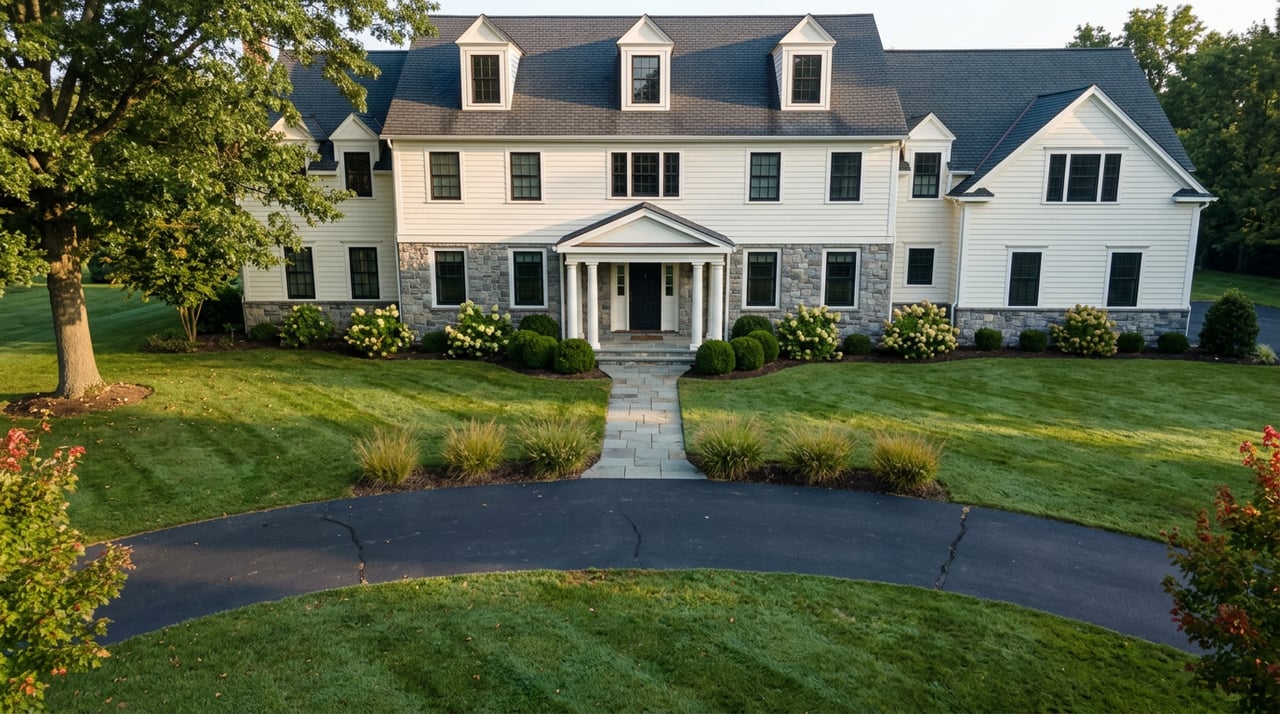
If your idea of “more space” means a detached home and a yard, Gloucester County gives you options. County housing and homebuyer program materials point to a mix of property types that includes attached row homes, semi-detached duplexes, detached single-family homes, condominiums, and manufactured homes. That range matters because it gives buyers different ways to find the right fit.
Single-family housing has played a major role in the county’s housing stock for years. Gloucester County planning data shows that single-family homes made up the largest share of housing, and 87.0% of units added between 2000 and 2010 were single-family. In simple terms, if you are looking for a home style that feels more traditionally suburban, this county has a strong track record of delivering it.
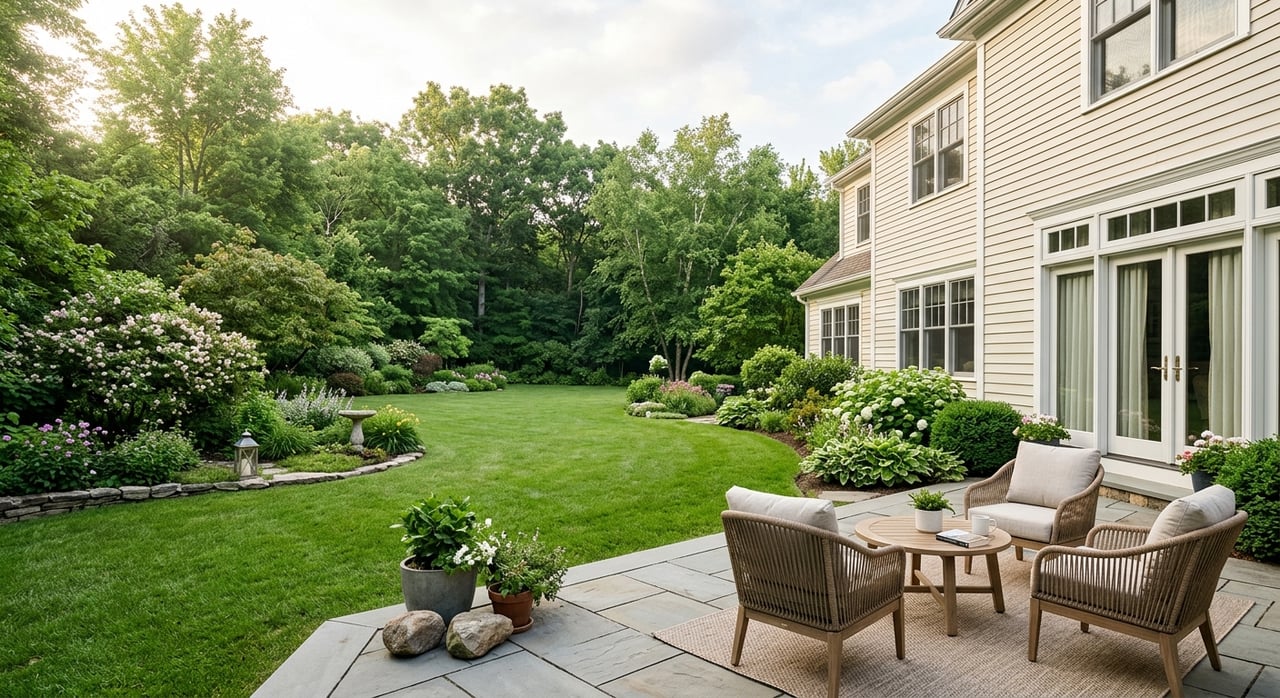
It is also fair to say that many buyers come here for a little more breathing room. Official county sources do not publish one countywide average lot-size number, so it is best to think about Gloucester County as offering a mix of conventional suburban development and larger-lot housing in certain areas. The key takeaway is that the county has intentionally preserved rural character, which helps support that sense of openness.
A Calmer Lifestyle Without Isolation
One of the biggest reasons buyers look at Gloucester County is lifestyle. You can find neighborhoods that feel quiet and residential, but still stay connected to daily conveniences, local dining, and regional job centers. That balance is hard to fake, and in Gloucester County it is supported by both the housing pattern and the county’s long-term planning goals.
The county tourism office also paints a picture of everyday life that is not built around nonstop traffic or dense commercial intensity. It highlights local restaurants, wineries, breweries, agritourism, golf, pickleball, disc golf, performing arts, and historical sites. For many buyers, that adds up to a place where weekends can feel full without feeling hectic.
Parks And Open Space Matter Here
Space is not just about your lot lines. It is also about what is around you, and Gloucester County has built a strong identity around open space and recreation. The county’s Parks and Recreation department says its mission is to develop recreation in an atmosphere of open spaces, with activities that include water sports, fishing, concerts, and nature strolls.
That shows up in the county’s park system. Scotland Run Park, the county’s largest park, spans more than 1,300 acres and includes the 80-acre Wilson Lake, fishing, boating, nature observation, an accessible fishing pier, and a nature center. If you want easy access to the outdoors as part of daily life, that kind of amenity can make a real difference.
Other parks add to the same story in different ways. James G. Atkinson Memorial Park offers playgrounds, picnic areas, an exercise trail, lighted sports fields, pickleball courts, tennis courts, basketball courts, and a pavilion. Red Bank Battlefield brings together waterfront views, open space, and local history along the Delaware River, while Greenwich Lake Park offers a 40-acre spring-fed lake with fishing, boating, picnic areas, and a boat launch.
The county has also backed up its open-space identity with policy. Gloucester County says its preservation programs are supported in part by state grants and a voter-supported county open-space tax. That long-term investment helps explain why the area can still feel open and grounded even as buyers continue to discover it.
Commuting From Gloucester County
For many buyers, suburban calm only works if getting around still feels realistic. Gloucester County’s location is one of its biggest strengths. County transportation materials highlight a large roadway network, more than thirty county-owned arterial roads, and access to major highways including I-295 and the New Jersey Turnpike.
Bridge access also matters if your work or routine takes you into Pennsylvania. The county specifically points to the Walt Whitman, Ben Franklin, and Commodore Barry bridges as part of its regional access. That means Gloucester County can appeal to buyers who want a quieter home base while staying connected to Philadelphia and nearby employment centers.
Transit is part of the picture too. The county transit guide shows NJ Transit bus routes linking Gloucester County with Philadelphia, Camden, PATCO, SEPTA, and the River LINE. Stops serve destinations such as Deptford Mall, Rowan University, Inspira Mullica Hill Medical Center, and the Haddonfield PATCO Station, which adds flexibility for households with different schedules and transportation needs.
What “Suburban” Means Here
One helpful way to think about Gloucester County is that it offers more than one version of suburban living. In some parts of the county, you may find neighborhoods that feel closer to conventional suburban development. In others, the mix of farmland preservation, open land, and community layout can make the pace feel even quieter.
That is important if you are starting your home search with broad goals like “more room” or “less noise.” Gloucester County can meet those goals, but the feel is not identical from one municipality to the next. The best approach is to match your priorities, such as yard size, housing style, commute pattern, and nearby amenities, with the right part of the county.
Who Gloucester County Fits Best
Gloucester County can make a lot of sense if you are moving out of a denser setting and want a little more balance. It can also work well if you already know South Jersey and want to stay in the region while shifting into a home or neighborhood that gives you more usable space. Buyers who value both ownership and everyday practicality often find the county appealing.
It may be a strong fit if you are looking for:
- A suburban setting with a calmer pace
- More variety in home types than you might expect
- Strong representation of single-family housing
- Access to parks, open space, and outdoor recreation
- Reasonable regional access to Philadelphia and Camden
- A county where preservation helps protect overall character
How To Search Smart In Gloucester County
If Gloucester County is on your radar, it helps to define what “space” means to you before you start touring homes. For one buyer, that may mean a detached home with a yard. For another, it may mean a quieter block, access to parks, or a floor plan with more flexibility.
A smart home search usually starts with a few practical questions:
- Do you want a detached home, townhouse, condo, or another property type?
- How important is highway or transit access to your daily routine?
- Do you want a more conventionally suburban setting or a more open, rural-edge feel?
- How much do parks, recreation, and local amenities matter to you?
- Are you prioritizing house size, yard space, or a specific lifestyle mix?
When you answer those questions clearly, Gloucester County becomes easier to navigate. Instead of searching the whole county the same way, you can narrow in on the places and housing types that support the way you actually want to live.
If you’re thinking about buying or selling in Gloucester County, working with someone who understands both suburban South Jersey and the broader Greater Philadelphia market can help you make a more confident move. For tailored guidance, local insight, and a calm, strategic approach, connect with Gavin LaRocca.
FAQs
Is Gloucester County, NJ suburban or rural?
- Gloucester County is best described as a mix of suburban neighborhoods, downtown areas, and preserved rural farmland. County planning materials show that both suburban development and rural character are part of the county’s identity.
What kinds of homes are common in Gloucester County, NJ?
- Gloucester County includes row homes, semi-detached duplexes, detached single-family homes, condominiums, and manufactured homes. County planning data also shows single-family homes have made up the largest share of the housing stock.
Does Gloucester County, NJ offer good access to Philadelphia?
- Yes, Gloucester County has access to I-295, the New Jersey Turnpike, and major bridges into Pennsylvania. County transit materials also show bus connections to Philadelphia, Camden, PATCO, SEPTA, and the River LINE.
Are there parks and outdoor spaces in Gloucester County, NJ?
- Yes, Gloucester County has a strong parks and open-space system. Examples include Scotland Run Park, James G. Atkinson Memorial Park, Red Bank Battlefield, and Greenwich Lake Park.
Is Gloucester County, NJ a good place to look for more space?
- It can be a strong option if you want more breathing room and a quieter pace while staying connected to the Greater Philadelphia area. The county offers a mix of suburban development, single-family housing, and preserved open space, though the feel varies by municipality.