Wondering why some Philadelphia homes get strong attention quickly while others sit? In a market where buyers have options, your home’s presentation can shape everything from first-click interest to final offer strength. If you’re getting ready to sell in Philadelphia County, a smart prep plan can help you reduce surprises, improve your launch, and price with more confidence. Let’s dive in.
Why preparation matters in Philadelphia
Philadelphia County has been tracking as a balanced market, which means buyers are not forced to overlook condition, clutter, or pricing gaps. In June 2026, homes were selling at about 99% of list price on average, with a median of about 49 days on market. Redfin reported a similar pace, with 45 days on market for homes sold in May 2026.
That kind of market rewards thoughtful preparation. If your home feels clean, complete, and well-positioned, it has a better chance of standing out. If it looks unfinished or overpriced, buyers may simply move on to the next option.
Pricing also needs a neighborhood-level lens in Philadelphia. Recent figures show a wide range across the city, from around $250,000 in Overbrook Hills to about $650,000 in Mid City East/West. That’s why broad city or county averages only tell part of the story.
Start with records and city paperwork
Before you think about paint colors or photos, start with the property record. Philadelphia requires a Property Sales Certification to sell real estate in the city. The certification includes zoning classification, the last established use in the zoning record, and any uncorrected housing, building, safety, or fire violations.
The city says the certification fee is $139 and processing takes five business days. Since buyers and agents often review details early, this is better handled at the start of your prep timeline, not right before you list.
Philadelphia also encourages sellers to check Atlas or the L&I Property History lookup. These tools can show permits, licenses, violations, zoning history, deeds, mortgage history, assessments, and Philly311 complaints tied to the property.
That matters because public records are easy to find. If an old permit was never closed out or a violation is still open, it is usually better to address it before your home hits the market.
Get ahead of disclosures
Pennsylvania’s Seller Disclosure Law requires you to disclose known material defects before the agreement of transfer is signed. The disclosure statement covers items like the roof, basement, plumbing, electrical systems, heating and air conditioning, structural issues, water and sewage systems, and legal issues affecting title or use.
This is one reason early preparation helps. When you gather records, invoices, warranties, and repair history ahead of time, you can complete disclosures more accurately and with less stress.
If your home was built before 1978, lead-based paint rules also apply. Sellers must disclose known lead-based paint or lead hazards, provide available records and reports, include a lead warning statement, give buyers an EPA pamphlet, and allow a 10-day opportunity to test for lead.
If you are doing repairs or paint work in an older home, use a lead-safe certified firm when required. This is especially important in Philadelphia, where many homes were built well before 1978.
Focus on small fixes first
You do not need a full renovation to improve your listing. In Realtor.com’s 2026 seller survey, 50% of potential sellers made small fixes or cleaned and decluttered before listing, and 44% decided which improvements to make in advance.
That’s a useful guide for Philadelphia sellers. Start with visible issues that affect how buyers feel when they walk in or scroll through photos.
Prioritize items like:
- Fresh paint in worn or highly personalized rooms
- Minor drywall repair
- Leaky faucets or running toilets
- Loose hardware and squeaky doors
- Burned-out bulbs
- Dirty grout or caulk
- Scuffed trim and touch-up work
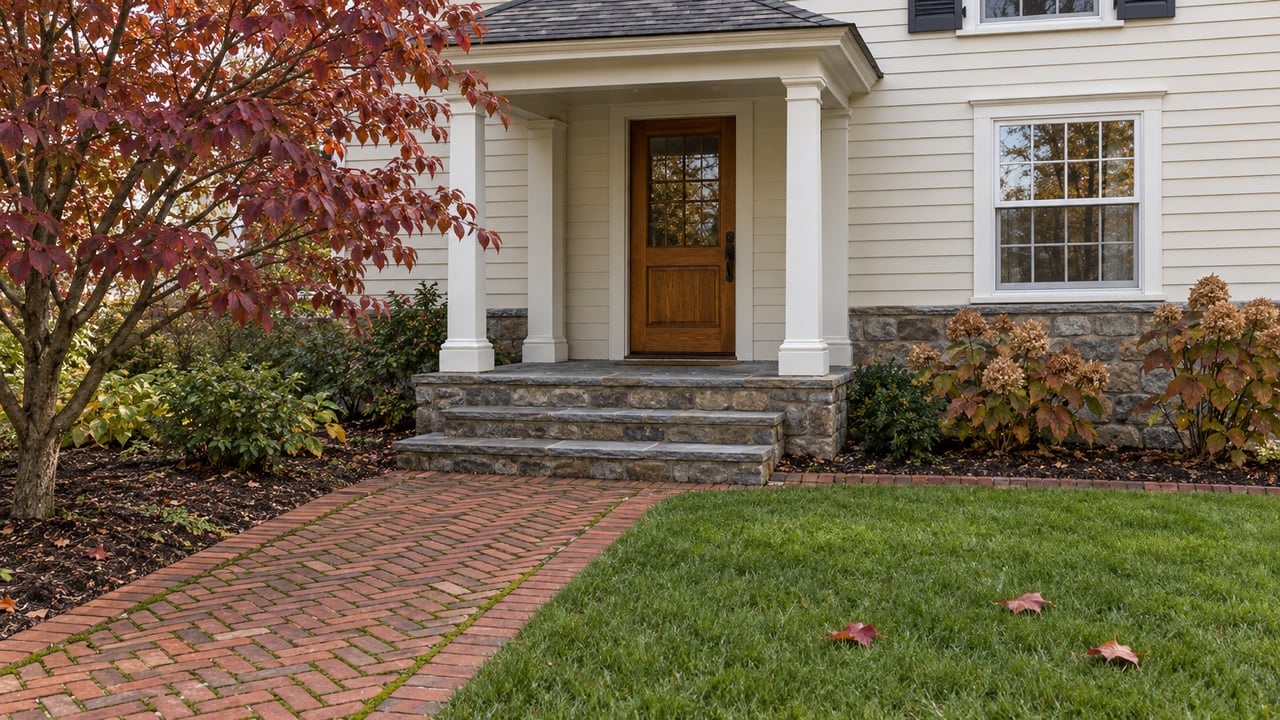
- Basic yard or entry cleanup
These updates are often more cost-effective than major projects. In a balanced market, small condition issues can make a home feel less cared for, even if the bigger systems are sound.
Declutter with photos in mind
Most buyers start online, and listing photos play a major role in whether they book a showing. NAR reporting shows that buyers often begin their search online, and 81% rated listing photos as the most useful feature during an online search.
That means decluttering is not just about tidiness. It is about helping your home read clearly on a screen.
As you prep each room, remove anything that makes the space feel smaller or more distracting. Think extra furniture, crowded countertops, overloaded shelves, cords, bulky storage bins, and too many personal items.
Your goal is not to erase all personality. It is to make the room feel open, bright, and easy to understand in a few seconds.
Stage the rooms that matter most
Staging works best when it is strategic. According to NAR’s 2025 Profile of Home Staging, 83% of buyers’ agents said staging made it easier for a buyer to visualize the property as a future home.
The most important rooms to stage were the living room, primary bedroom, and kitchen. Those are also among the most commonly staged spaces, which lines up with how buyers tend to evaluate homes in both photos and showings.
For many Philadelphia homes, especially rowhomes and compact city layouts, thoughtful staging can help clarify flow and scale. It can show how a living room fits seating, how a dining area functions, or how a smaller bedroom can still feel comfortable and intentional.
Staging is best viewed as a visibility tool, not a guaranteed price boost. Some agents report stronger offers with staging, while many say it does not directly change price. What it often does is make your home easier to picture, easier to market, and easier to remember.
Build a strong launch package
In this market, photography is part of the product. If buyers are comparing several homes in the same price range, your listing needs to compete before anyone steps through the front door.
A strong launch usually includes:
- Professional photography
- A smart photo order that highlights your best spaces early
- Clean, well-lit rooms
- A clear pricing strategy based on nearby comparable sales
- Listing copy tailored to the home’s likely buyer
This is where custom positioning matters. A Philadelphia condo, rowhome, twin, or detached home will not all be marketed the same way. The best results usually come from matching the presentation to the property type, condition, location, and buyer expectations.
Price with your neighborhood, not the headline
Preparation helps, but pricing still does the heavy lifting. In Philadelphia County, homes have recently sold for about asking on average, which supports a measured pricing approach instead of an aspirational one.
Because values can vary widely by neighborhood and product type, your list price should reflect the market your home is actually entering. A countywide median cannot tell you how your block, style of home, lot size, or level of updates compares with nearby competition.
This is where sellers benefit from local, detailed analysis. The right price should consider recent comparable sales, active competition, your home’s condition, and how buyers in that area tend to respond to similar listings.
Plan your timing around readiness
Many sellers want to know the perfect week to list. Timing can help, but it works best when your home is fully ready.
Realtor.com’s 2026 Best Time to Sell report found that the week of April 12 through 18 drew 16.7% more views than the average week, and homes sold about nine days faster than average. Zillow also notes that late May has been a strong listing window nationally and that Thursday has historically been a strong day of the week to list, while emphasizing that timing is hyper-local.
The bigger takeaway is simple: do not rush to market half-prepared just to chase a date. Repairs, records, staging, photography, and pricing should come first.
That approach also lines up with seller behavior. Realtor.com found that 53% of sellers took one month or less to get their home ready to list. For many Philadelphia sellers, a focused three- to four-week prep window is enough to handle the essentials.
Do not forget closing costs
As you plan for sale proceeds, make room for transfer tax. Philadelphia’s current realty transfer tax is 4.578% total, made up of the city’s 3.578% rate and Pennsylvania’s 1% rate.
Because that tax is due when the deed or other ownership document is filed, it should be part of your pricing conversation early. Net proceeds matter just as much as sale price, especially if you are using funds for your next move.
A practical prep checklist for Philadelphia sellers
If you want a simple roadmap, this is a smart order of operations:
- Pull property records and check for open issues
- Order the Philadelphia Property Sales Certification
- Gather repair history, permits, warranties, and utility details
- Complete visible small fixes
- Clean, declutter, and simplify each main room
- Stage key spaces, especially the living room, primary bedroom, and kitchen
- Finalize disclosures, including lead-based paint requirements if applicable
- Review neighborhood-specific pricing and likely net proceeds
- Schedule professional photography and launch only when the home is fully ready
That sequence helps you avoid last-minute stress. It also creates a cleaner, more confident experience for buyers from day one.
If you’re getting ready to sell in Philadelphia County, the best results usually come from a calm plan, smart positioning, and details handled early. For tailored guidance on pricing, presentation, and launch strategy, connect with Gavin LaRocca.
FAQs
What paperwork do you need to sell a home in Philadelphia?
- You need a Philadelphia Property Sales Certification, and Pennsylvania law also requires a seller disclosure statement covering known material defects before the agreement of transfer is signed.
How important is staging when selling a Philadelphia County home?
- Staging can help buyers picture the home more easily, especially in the living room, primary bedroom, and kitchen, but it should be treated as a marketing and visibility tool rather than a guaranteed way to raise price.
How should you price a home in Philadelphia County?
- Your home should be priced using neighborhood-specific comparable sales, property type, condition, and nearby competition rather than broad county or city averages.
Should you fix everything before listing a Philadelphia home?
- Usually not. Most sellers benefit more from handling visible small repairs, cleaning, decluttering, and record issues first, then evaluating whether any larger updates are truly necessary.
What closing cost should Philadelphia sellers plan for early?
- Philadelphia sellers should account for the 4.578% realty transfer tax as part of early net proceeds planning, since it is due when the deed or ownership document is filed.