Trying to choose between a condo and a rowhome in Philadelphia County? You are not alone. For many buyers, this decision shapes not just your budget, but also how much control you have over your home, how much maintenance you take on, and what daily life feels like. If you are weighing both options, this guide will help you compare the tradeoffs clearly so you can move forward with more confidence. Let’s dive in.
Why this choice matters in Philadelphia
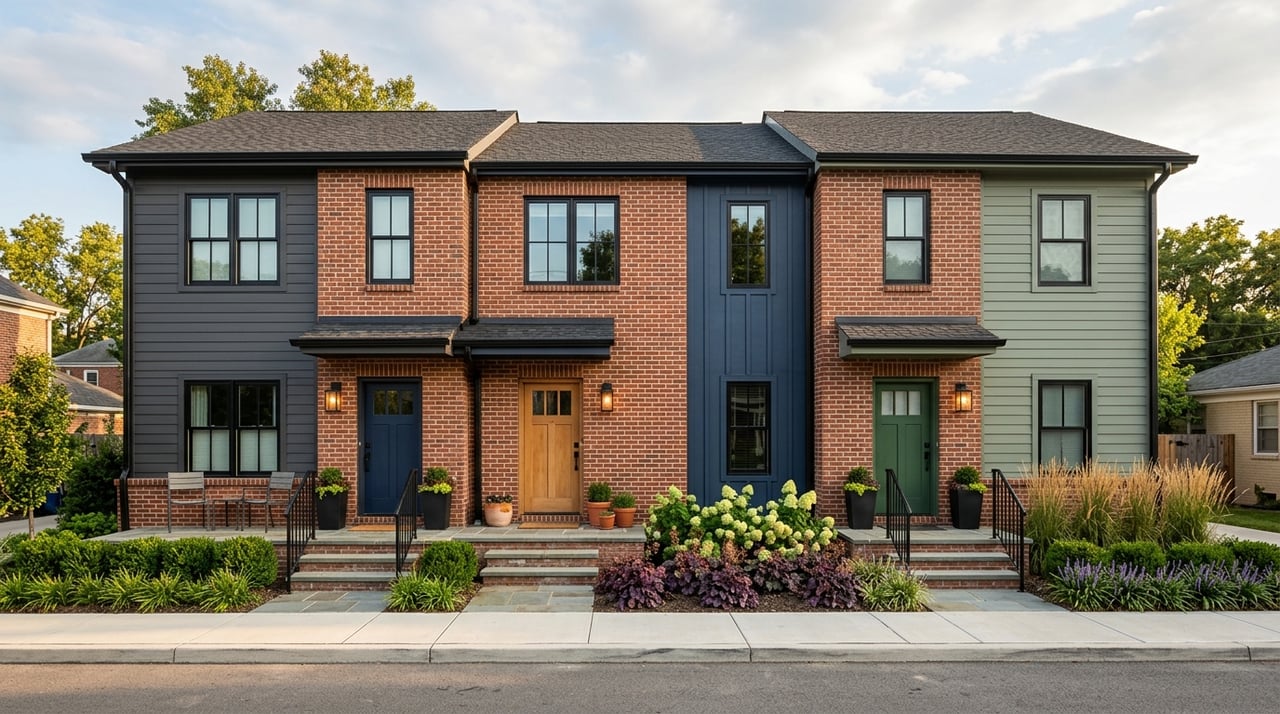
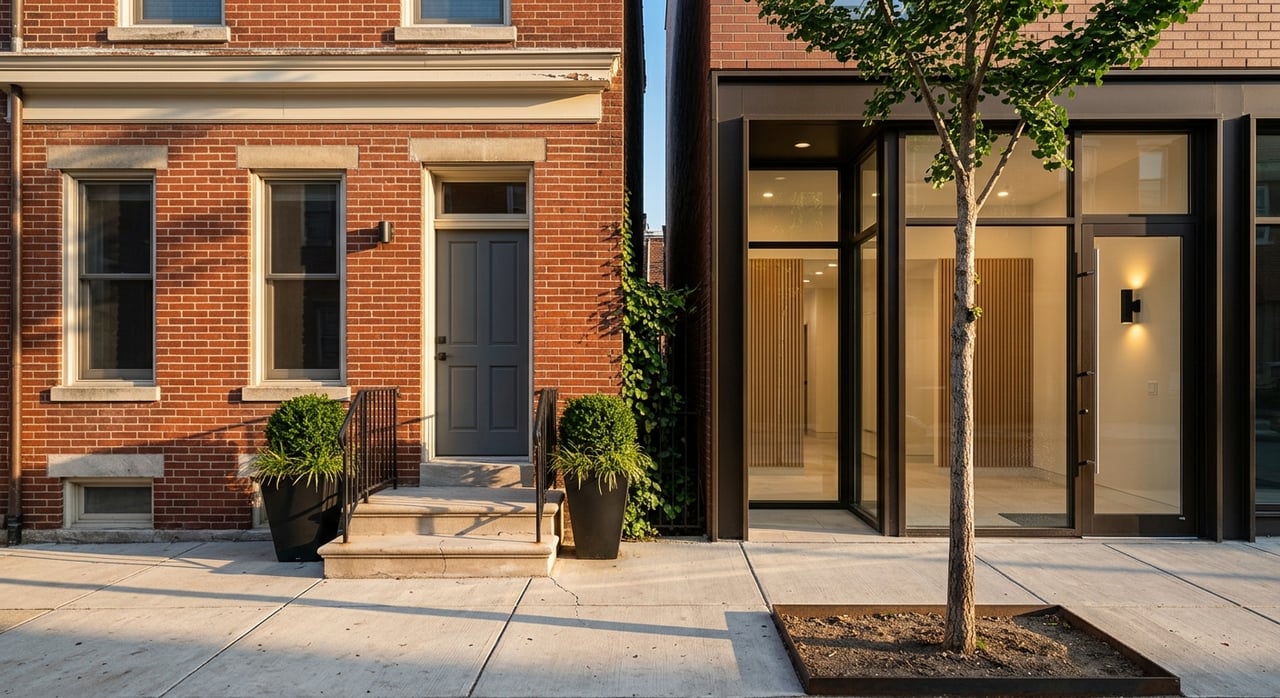
Philadelphia is, at its core, a rowhouse city. The city’s own Rowhouse Manual describes Philadelphia as largely a rowhouse city, and that history still shapes what many buyers see on the market today.
That said, “rowhome” in Philadelphia does not mean just one thing. Local housing stock includes smaller trinity or bandbox homes, along with larger town house styles. So when you compare a condo to a rowhome, you are really comparing two ownership structures and two very different living experiences.
Ownership works differently
Rowhome ownership is more house-like
A rowhome usually functions like an attached house. You generally own and manage the building more directly, which often gives you more say over maintenance, repairs, and exterior decisions.
That autonomy can be a major plus if you want more control over your property. It also means more responsibility lands on you when something needs attention.
Condo ownership includes shared elements
A condominium is a separately owned unit inside a larger property, with shared parts owned in common. Under Pennsylvania law, the condo declaration defines the unit boundaries, common elements, common-expense liabilities, and voting rights.
That is a big reason two condos in Philadelphia can feel completely different from one another. The details of the declaration and association rules can affect everything from your costs to what changes you can make.
Space and layout feel different
Rowhomes are often narrow and vertical
Philadelphia rowhomes are typically one to four stories with a narrow street frontage. Many have a vertical layout, which can create more separation between living spaces but also more stairs in your day-to-day routine.
Depending on the home, you may see anything from a very compact trinity layout to a deeper, larger town house plan. If you like the idea of house-like separation and private space, a rowhome may feel like a better fit.
Condos depend on the building plan
Condos are less about one classic Philadelphia format and more about the specific building. Pennsylvania law allows unit boundaries to be vertical or horizontal, which means layouts can vary widely.
In practical terms, one condo may live more like a flat, while another may include features like a balcony, patio, or stoop that are treated as limited common elements. That is why reviewing the building documents matters just as much as touring the unit itself.
Control versus convenience
Rowhomes usually offer more direct control
If you buy a rowhome, you generally have more direct control over the whole structure. That can make it easier to decide when to repair the roof, update the exterior, or plan future improvements.
For buyers who want flexibility, that can be appealing. But it also means you are the one making decisions, budgeting for work, and staying ahead of maintenance.
Condos come with more shared rules
With a condo, the association governs common elements and shared expenses. Pennsylvania law also allows owners to improve their interior space as long as the work does not impair structural integrity or mechanical systems, but changes to exterior appearance typically require association permission.
That setup often feels more structured. If you prefer a more predictable framework and do not mind following building rules, condo living may feel easier to manage.
Maintenance responsibilities are a big divider
Rowhome maintenance is more hands-on
Philadelphia’s Rowhouse Manual puts special attention on roofs, foundations, basement walls, joists, masonry, and water intrusion. It also warns that roof leaks should be fixed quickly and that structural work should not undermine party walls.
Because rowhomes are attached, maintenance decisions can affect neighboring homes too. If one issue is ignored, the consequences can spread across adjacent properties, which is one reason rowhome ownership tends to work best for buyers who are comfortable taking a more active role.
Condo maintenance is more shared
Condos shift more building-wide responsibility into the association structure. In many cases, you are mainly responsible for the interior of your unit, while the association handles shared parts of the property and related rules.
That can reduce your direct exterior maintenance burden. Still, it is important to remember that shared responsibility does not mean free responsibility. You are still paying for those building needs through common expenses.
Renovation flexibility is not the same
Rowhomes can allow more freedom
Many buyers are drawn to rowhomes because they offer a greater sense of ownership and flexibility. If you want to personalize your home over time, a rowhome may give you more room to do that.
In Philadelphia, though, some projects require close planning. The Rowhouse Manual notes that roof decks require zoning and building permits, and the roof should be in very good condition before adding one.
Condos require more document review
In a condo, renovation potential depends heavily on the declaration and association rules. Features outside the unit boundary, including some exterior doors, windows, stoops, balconies, and patios, may be classified as limited common elements rather than part of your unit.
That matters because a feature may feel private while still being subject to association oversight. Before you assume you can update or alter something, it is worth confirming exactly what you own and what the rules allow.
Costs in Philadelphia go beyond price
Both property types face city taxes
Whether you buy a condo or a rowhome, you will still need to plan for Philadelphia’s annual Real Estate Tax. That tax is due March 31 and is based on assessed value.
At closing, the city also charges Realty Transfer Tax when ownership documents are recorded. It is usually split between buyer and seller, although the city can collect the full amount from either side.
Condos may add association-based costs
One of the biggest cost differences with condos is the extra layer of common expenses. Pennsylvania law requires those liabilities to be allocated across units, and declarations can also assign limited common expenses.
Philadelphia Water also bills condominium properties for stormwater based on gross area and impervious area. If there are multiple water accounts, the monthly charge is divided equally among them.
Rowhomes often shift costs to direct upkeep
With a rowhome, the budget conversation usually centers less on association fees and more on direct repair and upgrade costs. Roof work, masonry repairs, basement moisture, structural concerns, and permit-related improvements can all affect your long-term budget.
That is why inspections and reserve planning are especially important when you are buying a Philadelphia rowhome. A lower monthly carrying cost can still come with meaningful future maintenance obligations.
Which lifestyle fits you best?
A condo may fit if you want lower direct upkeep
If your priority is a more managed ownership experience, a condo may be the better fit. Many buyers like having fewer direct exterior responsibilities and a more defined system for handling shared building issues.
This can be especially appealing if you travel often, prefer simpler day-to-day maintenance, or want a home that feels more structured.
A rowhome may fit if you want more autonomy
If you value control, privacy, and a more house-like setup, a rowhome may feel more natural. You are likely to have more say over repairs, upgrades, and the pace of improvements.
For buyers who do not mind a more hands-on role, that independence can be worth it. In Philadelphia, it is also a chance to own a home type that is deeply tied to the city’s housing identity.
How to decide with confidence
The best choice usually comes down to how you want to live, not just what looks best online. A condo can offer more shared structure and potentially less direct maintenance, while a rowhome can offer more control and a more independent ownership experience.
When you compare options in Philadelphia, look closely at three things:
- How much maintenance you want to handle directly
- How much renovation freedom you want
- How comfortable you are with shared rules and shared costs
A smart decision starts with matching the property type to your routines, budget, and long-term plans. If you want help comparing specific Philadelphia condos and rowhomes, Gavin LaRocca can help you evaluate the tradeoffs and find the right fit for your goals.
FAQs
What is the main difference between a condo and a rowhome in Philadelphia?
- A rowhome usually functions like an attached house with more direct owner control, while a condo is a separately owned unit within a larger property with shared elements, shared expenses, and association rules.
Do Philadelphia rowhomes usually require more maintenance than condos?
- In general, yes. Rowhome owners typically handle the roof, foundation, masonry, basement issues, and other building upkeep more directly, while condos shift more building-wide responsibilities into the association structure.
Can you renovate a condo in Philadelphia County the same way you can renovate a rowhome?
- Usually not. Condo owners can often improve the interior if the work does not affect structure or mechanical systems, but exterior changes commonly require association approval, while rowhomes typically allow more owner-directed control.
What extra costs should you expect with a Philadelphia condo?
- In addition to city property taxes and transfer tax, condos can include common expenses allocated by the association and, depending on the property setup, stormwater-related costs that are divided among accounts.
Are rowhomes common in Philadelphia?
- Yes. Philadelphia is widely recognized as a rowhouse city, and rowhomes are a defining part of the local housing stock.
How do you choose between condo living and rowhome living in Philadelphia?
- Start by thinking about your lifestyle. If you want more autonomy and are comfortable managing upkeep, a rowhome may fit better. If you want more shared structure and less direct exterior maintenance, a condo may make more sense.