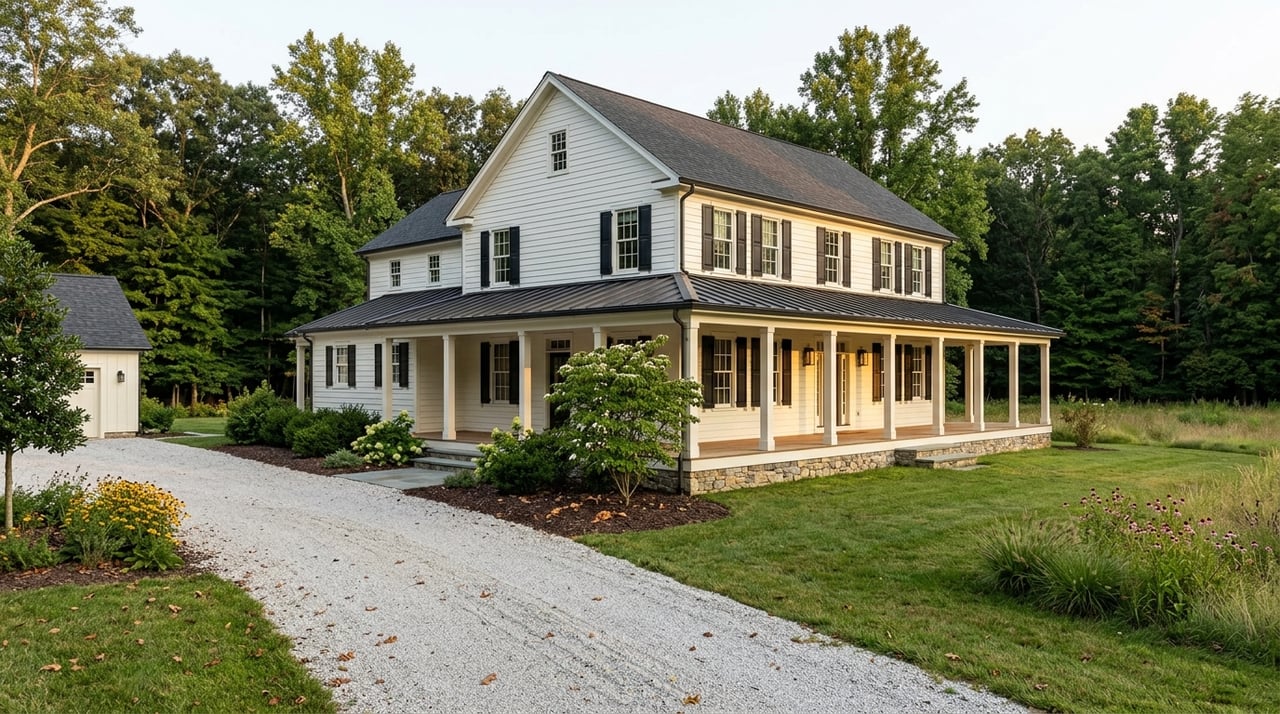
If you picture country living as open views, slower mornings, and room to spread out, Salem County may feel closer to that vision than you expect in New Jersey. At the same time, living here is not just about scenery. It comes with practical routines, longer drives, and a different kind of homeownership responsibility. If you are wondering what daily life really feels like in Salem County, this guide will help you weigh the lifestyle, the trade-offs, and what to know before you buy. Let’s dive in.
Salem County feels truly rural
Salem County stands out because it is rural by more than reputation. The county had an estimated population of about 66,280 in 2025, and New Jersey labor data placed its 2024 population estimate at 65,874 with a density of 198.5 people per square mile. That lower density shapes how the area feels from the moment you start driving through it.
The landscape plays a big role in that experience. According to county government information, 42.6% of Salem County’s land is under active farm cultivation. The county also includes more than 34,000 acres of meadow and marshland, along with rivers, wetlands, woodlands, lakes, and ponds.
That means country living here is not a small pocket tucked beside heavier development. It is part of the county’s identity and land use. If you are looking for a place where open land is part of everyday life, Salem County offers that in a very visible way.
Daily life moves at a different pace
Living in Salem County often means your routines are shaped by space, distance, and the seasons. Errands may take a little more planning, and a quick drive can cover a lot more ground than you might expect. For many buyers, that is part of the appeal.
You may notice that daily life feels more intentional here. Instead of dense retail corridors and tightly packed neighborhoods, you get stretches of farmland, open roads, and quieter residential areas. That can create a stronger sense of separation from busier nearby markets.
The housing data supports that feeling of stability. QuickFacts reports a 71.0% owner-occupied housing rate, a median owner-occupied home value of $239,500, and 90.5% of residents living in the same house one year earlier. Those numbers suggest a county with a solid homeownership base and relatively steady residential patterns.
Farms and markets shape the lifestyle
One of the clearest signs of Salem County country living is how connected the area remains to agriculture. Farm stands, local markets, and seasonal shopping are part of the rhythm of the county. That gives everyday life a different feel than more built-up suburban areas.
The state’s official farmers market list includes places like Halter Farm Market in Pennsville, Weaver’s Farm Market in Pittsgrove, Cassaday Farm in Pilesgrove, Johnson’s Farm & Food Cottage, and the Pennsville Farmers’ Market. The county’s heritage resources also highlight Cowtown Farmers Market in Pilesgrove as a year-round indoor and outdoor market and flea market.
For you as a buyer, that can translate into more than weekend charm. It reflects a local economy and culture that still has strong agricultural roots. In Salem County, farms are not just background scenery. They are part of how the county functions and feels.
Outdoor access is part of everyday living
Country living in Salem County is also tied to outdoor space in a practical way. Even if you are not looking for acreage, you may still be drawn to the access to parks, wildlife areas, and quieter natural settings. That can shape how you spend your free time year-round.
Visit Salem County points to places like Supawna Meadows National Wildlife Refuge, Fort Mott State Park, and Parvin State Park. These destinations support activities such as birding, hiking, biking, nature photography, and quiet observation. For many residents, that kind of access becomes part of normal life rather than an occasional day trip.
The county tourism office also highlights historic sites, natural attractions, and cultural destinations. So while Salem County is often associated with farmland, the lifestyle is broader than that. You get a mix of agricultural character, outdoor recreation, and historical context.
Space often comes with trade-offs
The biggest truth about country living is simple: more space usually means giving up some convenience. Salem County is not isolated, but it is car-oriented. You will likely plan drives more carefully than you would in a denser area.
QuickFacts lists the mean travel time to work at 26.5 minutes. That is manageable for many households, but it still reflects a place where driving is part of the routine. Trips are less likely to be spontaneous when destinations are farther apart.
County transportation resources reinforce that reality. Salem County’s SCOOT transportation service supports eligible seniors, people with disabilities, and designated rural residents, with service reaching surrounding counties, areas of Delaware, and areas of Philadelphia. That kind of service matters in a spread-out county where mobility can affect day-to-day life.
Homes may need more hands-on upkeep
If you are shopping for a property in Salem County, country living may also mean learning about systems that are less common in more urban settings. Private wells and septic systems can be part of the package. These are normal for many rural properties, but they do require attention.
The New Jersey Department of Environmental Protection says buyers of homes served by septic systems should inspect them before purchase and maintain them on a schedule. The state’s Private Well Testing Act also requires testing of untreated groundwater for up to 43 parameters when a property with a potable well is sold. Landlords must also test every five years.
That does not mean these properties are harder to own by default. It does mean you want to go in with a clear understanding of maintenance, inspections, and ongoing responsibilities. For the right buyer, that trade is well worth it for the space and setting.
County oversight matters more than you might think
In a rural setting, county-level services can play a bigger role in homeownership than some buyers expect. Salem County’s Environmental Health Division covers issues tied to safe drinking water, public-bathing inspections, and complaints involving overflowing septic systems and illegal discharges. That kind of oversight supports the practical side of rural living.
This matters because open land and private systems come with environmental considerations. When you are buying in a more rural area, understanding local processes is part of making a smart decision. It is not just about the house itself, but also how the property functions over time.
For buyers who want a calm setting without losing access to public support, this is an important piece of the picture. Salem County’s lifestyle may feel quieter, but it is still supported by county systems and services.
Long-term living is supported locally
Salem County’s appeal is not limited to one type of buyer. It can work for people looking for more room, a steadier pace, or a place to stay for the long haul. County resources help make that possible.
The county’s Office on Aging & Disabilities offers assisted transportation and notes a congregate nutrition site. The broader health and human services structure also provides community support and public health services. Those resources matter because they help make a spread-out lifestyle more workable over time.
Agriculture is also built into the county’s long-term planning. The Agriculture Development Board oversees farmland preservation and right-to-farm in Salem County. That tells you something important about the area: the rural landscape is not accidental, and local policy helps protect that identity.
Who Salem County country living fits best
Salem County tends to fit buyers who value space, privacy, and a quieter setting more than instant convenience. If you want open land, a stronger connection to the outdoors, and a home base that feels removed from denser development, the county may be a strong match. If you want everything close by at all times, it may feel less convenient.
The real lifestyle trade is clear. You are often exchanging faster access and denser amenities for open land, farm culture, and room to breathe. Neither choice is better for everyone, but it helps to be honest about what matters most in your daily life.
That is where thoughtful local guidance can make a real difference. If you are comparing Salem County with other South Jersey or Greater Philadelphia area options, it helps to look beyond the listing photos and think about how you actually want to live.
If you are considering a move and want help figuring out whether Salem County fits your goals, Gavin LaRocca can help you evaluate the lifestyle, the property details, and the bigger picture with a clear, practical approach.
FAQs
What does country living in Salem County feel like day to day?
- It usually feels quieter, more spread out, and more car-dependent, with daily routines shaped by open land, longer drives, and a slower overall pace.
Is Salem County really rural compared with other New Jersey areas?
- Yes. County land use and population density data show a lower-density setting with active farmland, marshland, wetlands, and other natural areas that give it a distinctly rural feel.
What outdoor activities are common in Salem County?
- Residents and visitors often enjoy hiking, biking, birding, nature photography, and visiting places like Supawna Meadows National Wildlife Refuge, Fort Mott State Park, and Parvin State Park.
What should buyers know about wells and septic in Salem County?
- Some rural properties may rely on private wells and septic systems, so buyers should plan for inspections, required well testing, and regular maintenance.
Is Salem County a good fit if you commute?
- It can be, but you should expect a car-oriented routine and more planning around travel, with county data showing a mean commute time of 26.5 minutes.
Why does farmland matter in Salem County real estate?
- Farmland is a major part of the county’s identity, with local policy support for farmland preservation and right-to-farm, so it shapes both the landscape and the long-term character of the area.