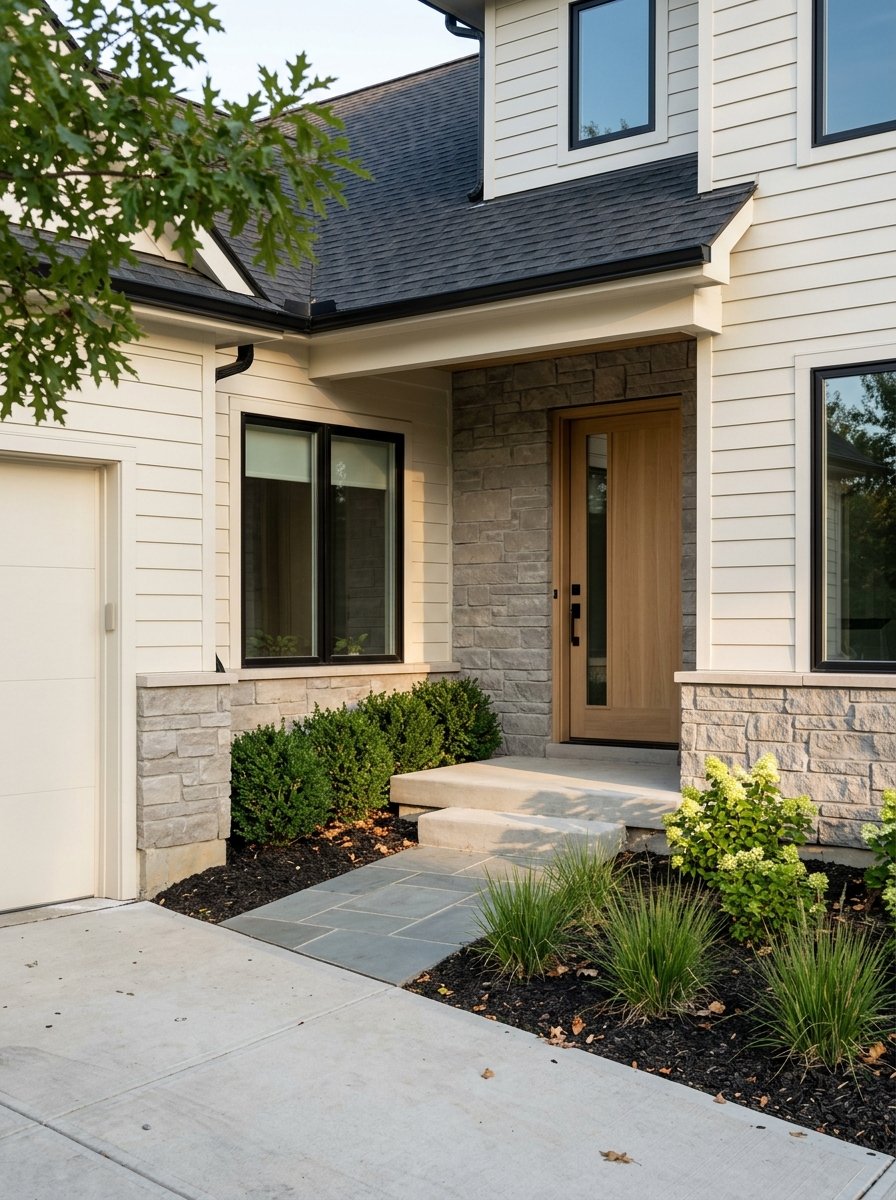
Trying to choose between a brand-new home and an existing one in New Castle County? It is a common fork in the road, and the right answer usually has less to do with what sounds better and more to do with what fits your comfort level, timeline, and budget. If you understand how the process, costs, and risks differ, you can make a smarter decision with a lot less stress. Let’s dive in.
New Castle County market context
New Castle County is a large, established housing market with 588,026 residents and 238,860 housing units, according to Census QuickFacts. The median owner-occupied home value is $352,200, and a recent Redfin snapshot put the median sale price at $373,955, with homes spending a median of 31 days on market over the three months ending April 2026.
That scale matters when you compare new construction and resale. This is not a market made up only of older housing or only of fast-growing subdivisions. It is a mix, and the county’s planning framework, including NCC2050 and the ongoing Southern New Castle County Growth Area study, shows that new development is part of a formal long-range process.
New construction basics
A new construction home can feel appealing because you are starting fresh. In many cases, newly built homes come with a builder warranty that may include one year of workmanship and materials coverage, two years for systems like HVAC, plumbing, and electrical, and sometimes up to ten years for major structural defects.
That warranty-backed start is one of the biggest advantages of buying new. You may have fewer age-related surprises right after move-in, but it is still important to read the warranty carefully because coverage is limited and does not mean every issue will be covered the way you expect.
New construction follows a formal process
In New Castle County, single-family new construction goes through a permit-heavy process. County requirements include eApply and ePlans submission, a Building Contractor License with Home Warranty Approval, transfer-tax forms, and in some cases approvals tied to roads, sewer, septic, or wells.
For you as a buyer, that means timing matters. A home may look almost done, but permit status, final approvals, and certificate of occupancy timing can still affect when you can actually close and move in.
Community rules matter too
New construction is not just about the house itself. County guidance notes that deed restrictions may apply in a community, which means exterior changes, additions, fencing, or other site improvements may be limited.
That is easy to overlook when you are focused on floor plans and finishes. If you are considering a newly built home, make sure you understand not only the home but also the rules that come with the community.
Resale home basics
A resale home offers a different kind of clarity. The home already exists, the surrounding streets are established, and you can get a better sense of the property’s day-to-day setting before you buy.
That can make resale feel more immediate and more predictable in some ways. At the same time, the tradeoff is that the home’s age, maintenance history, and current condition become a bigger part of your decision.
Delaware disclosure rules help, but do not replace inspections
Delaware law requires sellers of residential property to disclose known material defects in writing before a buyer makes an offer. If a material change happens before final settlement, the seller must update that disclosure.
That is helpful, but it is not a warranty. The disclosure is also not a substitute for your own inspection, and it should be treated as one part of your due diligence rather than the whole picture.
Inspections carry more weight with resale
HUD advises buyers to arrange their own home inspection. It also makes clear that an appraisal is not the same as an inspection, and FHA does not guarantee the condition of the home after closing.
That makes inspections especially important with resale homes. Since you are not relying on a builder-backed warranty framework in the same way, you need a clear understanding of the home’s current systems, maintenance needs, and potential repair items.
Costs to compare in either path
Whether you buy new construction or resale, the sticker price is only part of the financial picture. In New Castle County, transfer taxes, property taxes, and possible HOA costs can all affect the real cost of ownership.
Transfer taxes in New Castle County
For FY2026, New Castle County’s realty transfer tax is 1.5% of the selling price. Delaware’s state realty transfer tax is 2.5% in counties and municipalities that impose a local transfer tax.
Qualified first-time buyers may be eligible for a 0.5 percentage-point reduction in the buyer-paid state rate, usually lowering that buyer-side state portion from 1.25% to 0.75% on up to $400,000 of value. This is one of those details worth reviewing early, especially if you are buying your first home.
Property taxes can vary by location
Property taxes are not one-size-fits-all across the county. New Castle County assesses property at fair market value as of July 1, 2024, and when a certificate of occupancy is issued after construction or improvement, an assessor visits the property to determine the new assessment rate.
FY2026 residential property tax rates include $0.1575 per $100 of assessed value in unincorporated New Castle County and $0.0432 per $100 in both Newark and Wilmington. That means where the home is located can influence your tax picture, especially when you compare homes across municipal lines.
HOA and community costs deserve a close look
HOA and common-interest-community documents are important in both scenarios, but they often matter more in newer subdivisions and planned communities. Under Delaware’s Uniform Common Interest Ownership Act, associations must adopt budgets and collect assessments for common expenses and reserves.
Associations may also charge fees, late charges, and fines, and they are required to keep records such as financial statements and reserve studies. If a property is part of an association, review the dues, rules, and budget details carefully before you commit.
How the risk profile changes
The biggest difference between new construction and resale is usually not style. It is risk.
With new construction, your focus shifts toward builder warranty terms, permit timing, certificate of occupancy status, and community rules. With resale, your focus shifts toward inspection quality, disclosure accuracy, and the home’s maintenance history.
Neither path is automatically better. It comes down to which set of unknowns you feel more comfortable managing.
When new construction may fit better
New construction may be the better fit if you want a home with fewer immediate age-related concerns and you are comfortable with the builder process. It can also make sense if you are drawn to developing areas that are part of the county’s formal growth and planning framework.
You may prefer this route if you value that clean-slate feeling and do not mind spending extra time reviewing warranty terms, deed restrictions, and build status. Just remember that new does not mean hands-off. You still need to verify the details.
New construction checklist
- Confirm the builder warranty terms and what is actually covered
- Ask about permit status and certificate of occupancy timing
- Review whether sewer connections, impact fees, or other site-specific costs apply
- Check for deed restrictions or community rules that affect exterior changes or improvements
- Compare transfer taxes, property taxes, and any HOA dues
When resale may fit better
A resale home may be the stronger option if you want a faster, more straightforward move and you like being able to see the property and surrounding area as they are today. This path can also offer more visibility into how the home functions in real life, from street parking to traffic flow to the feel of the block.
If you go this route, your homework matters more. The home inspection, seller disclosure, and maintenance questions are what help you understand whether the home is a good fit now and over time.
Resale checklist
- Review the seller’s written disclosure carefully
- Order a home inspection
- Ask about maintenance history and the age of major systems
- Request radon information if applicable
- Compare transfer taxes, property taxes, and any HOA costs
A practical way to decide
If you are stuck between the two, try this simple question: do you feel more comfortable evaluating a builder process or evaluating an existing home’s condition? That answer usually points you in the right direction.
If you prefer warranty structure, planned development, and a brand-new start, new construction may make more sense. If you prefer seeing the finished product, understanding the existing setting, and moving on a potentially quicker timeline, resale may be the better match.
The best choice is the one that fits your priorities, not the one that sounds more impressive on paper. If you want help weighing the tradeoffs in New Castle County, Gavin LaRocca can help you compare your options with a clear, practical strategy.
FAQs
Should you choose new construction or resale in New Castle County?
- The better choice depends on your risk tolerance, timeline, and priorities. New construction centers more on builder warranty, permits, and community rules, while resale centers more on inspections, disclosures, and maintenance history.
What should you review before buying new construction in New Castle County?
- You should confirm builder warranty terms, permit and certificate of occupancy status, and whether sewer fees, site-specific costs, deed restrictions, or HOA rules apply.
What does Delaware require sellers to disclose on a resale home?
- Delaware law requires sellers of residential real property to disclose known material defects in writing before a buyer makes an offer and to update the disclosure before final settlement if a material change occurs.
Do you still need a home inspection on a resale home in New Castle County?
- Yes. A seller disclosure is not a warranty and does not replace your own inspection, and an appraisal is not the same thing as a home inspection.
Are transfer taxes the same for new construction and resale in New Castle County?
- Both types of purchases can involve New Castle County’s 1.5% realty transfer tax and Delaware’s 2.5% state realty transfer tax, though qualified first-time buyers may receive a reduction in the buyer-paid state rate on up to $400,000 of value.
Why do HOA documents matter when buying in New Castle County?
- HOA documents matter because associations can collect assessments for common expenses and reserves, and they may also impose fees, late charges, fines, and rules that affect how you use the property.